Complementary tools
Trainer, Chart Library, Strategy Guides, Free Training, Bankroll Challenge, Discord: the ecosystem around Poker Spin Tracker.

Gandalf
Co-founder of Poker Sciences
Poker Spin Tracker is Poker Sciences' main analysis tool, but it doesn't work alone. Orbiting around it is an ecosystem of learning and social tools that feed the routine described in the previous chapter.
This chapter gives a quick overview: neither exhaustive documentation nor a user manual. The goal is simply to help you spot the resources available and understand in what context to use them.
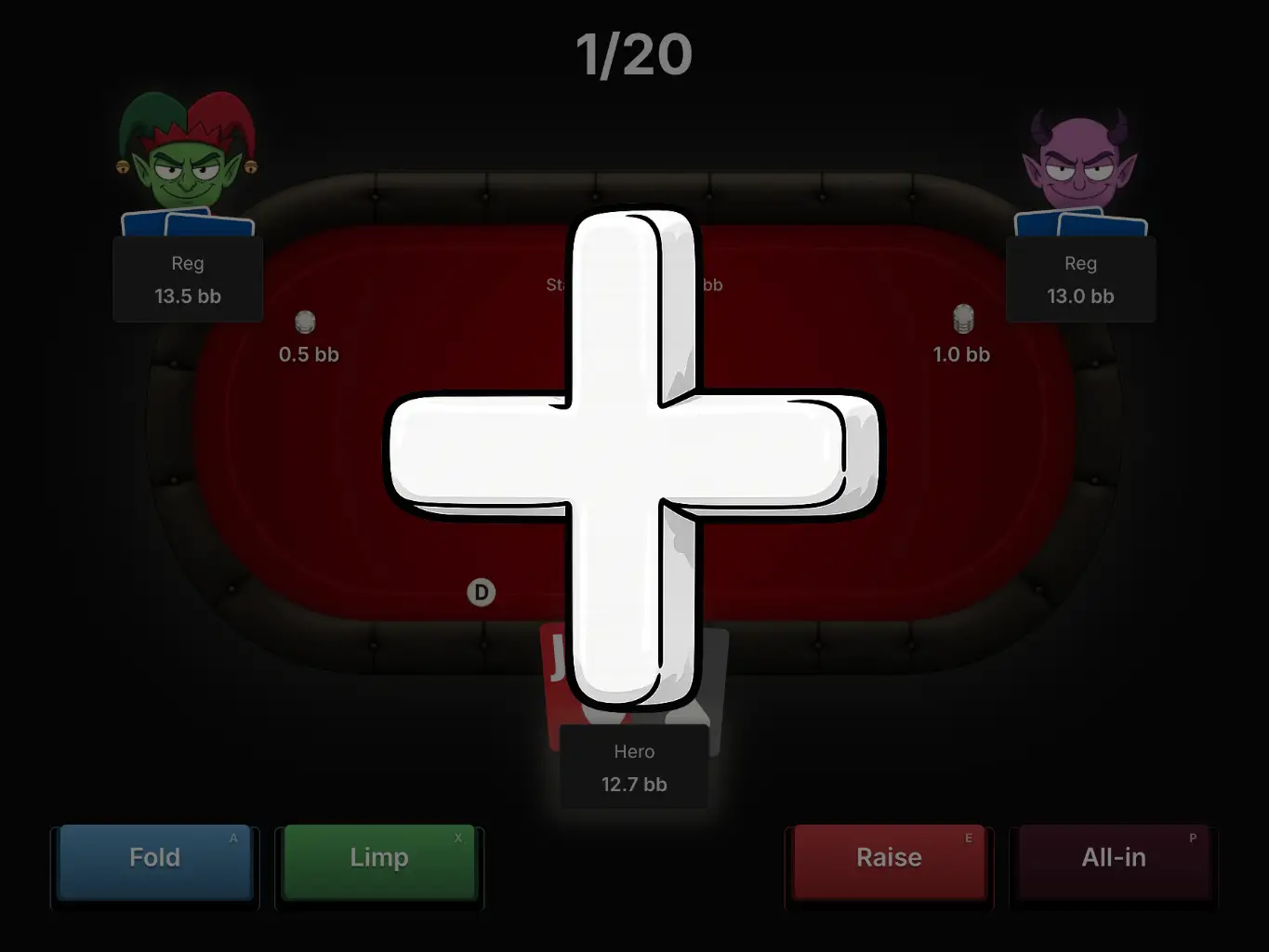
1. The Trainer
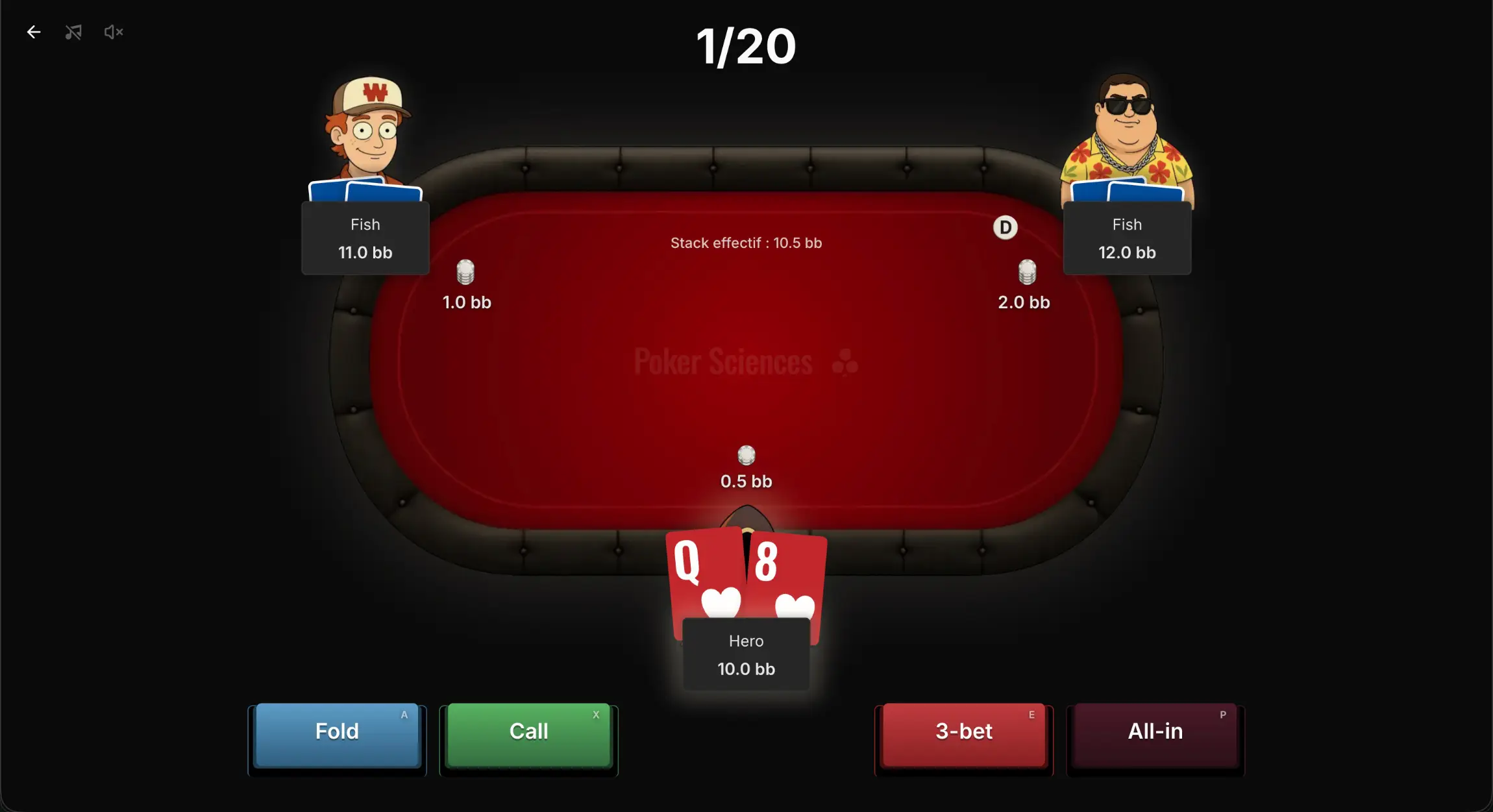
The Trainer is Poker Sciences' preflop training tool. It serves you real Spin situations (position, stack, opposition) and asks you for your decision: Fold? Call? Raise? Shove?
Each answer is then compared with a reference chart to tell whether it's good or bad.
It's the ideal companion to Poker Spin Tracker: where the tracker tells you where you deviate from your charts in real conditions, the Trainer lets you work on that deviation cold, at your own pace, with no session pressure. Levels, badges, Arena, themed chapters: progression is gamified here too, and the flames are shared with the tracker's XP Leaderboard.
2. Theory and reference charts
Two resources take over when you want to go beyond the Academy:
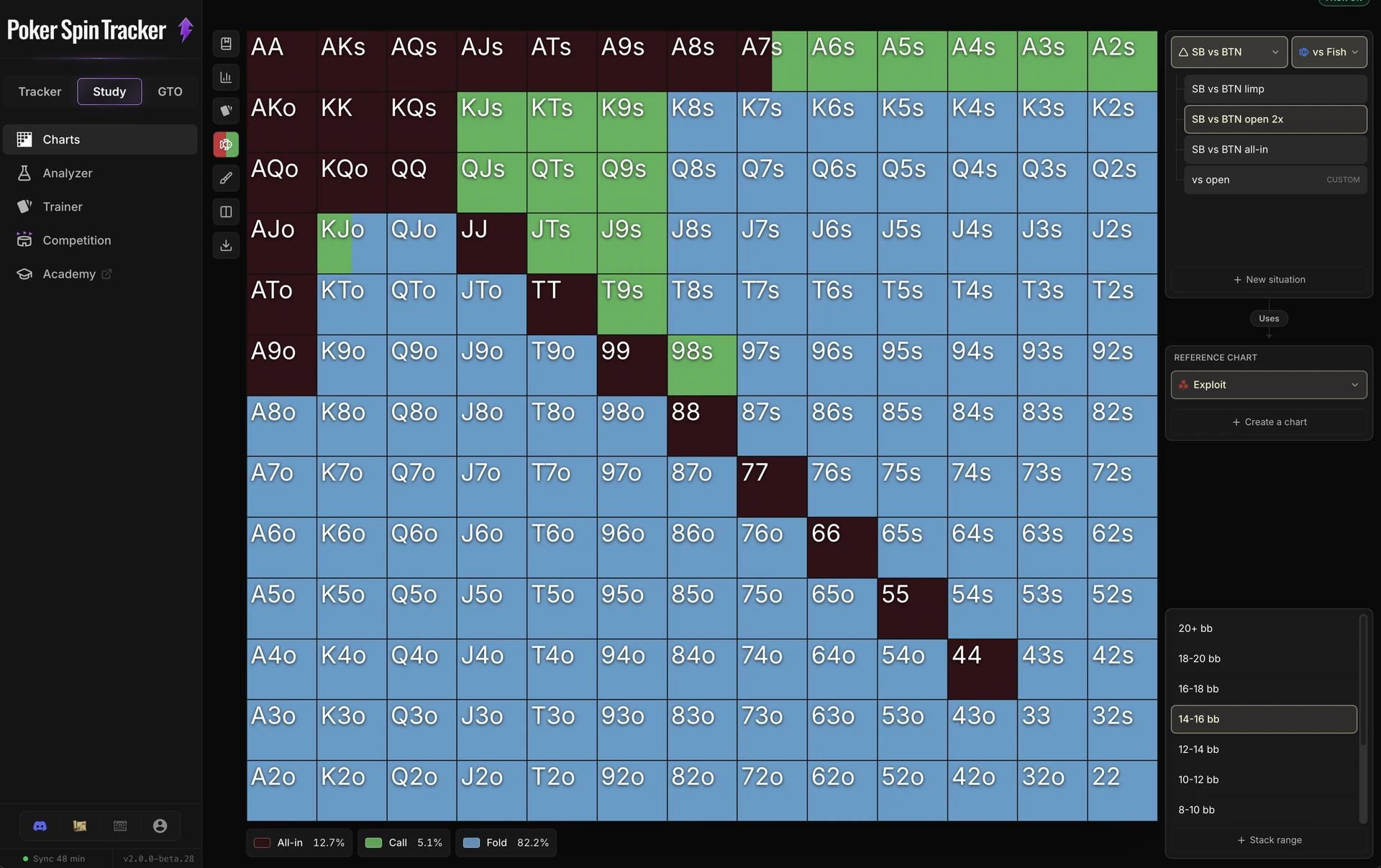
- The Strategy Guides: detailed, teaching-focused breakdowns of the major preflop situations in Spins (BTN position, BB play, limp spots, all-in spots…). Each guide embeds interactive charts to test your intuition against the theory.
- The Chart Library: your exploitative and GTO reference charts, fully customizable. Linked to the tracker, they feed the calculation of your preflop accuracy and help you evolve your game.
How it all fits together: the Library defines your charts, the tracker diagnoses where you deviate from them, the guides explain the theory, the Trainer drills the reflexes. Each has its own role, and it's their combination that drives your progress.
3. A framework to get started
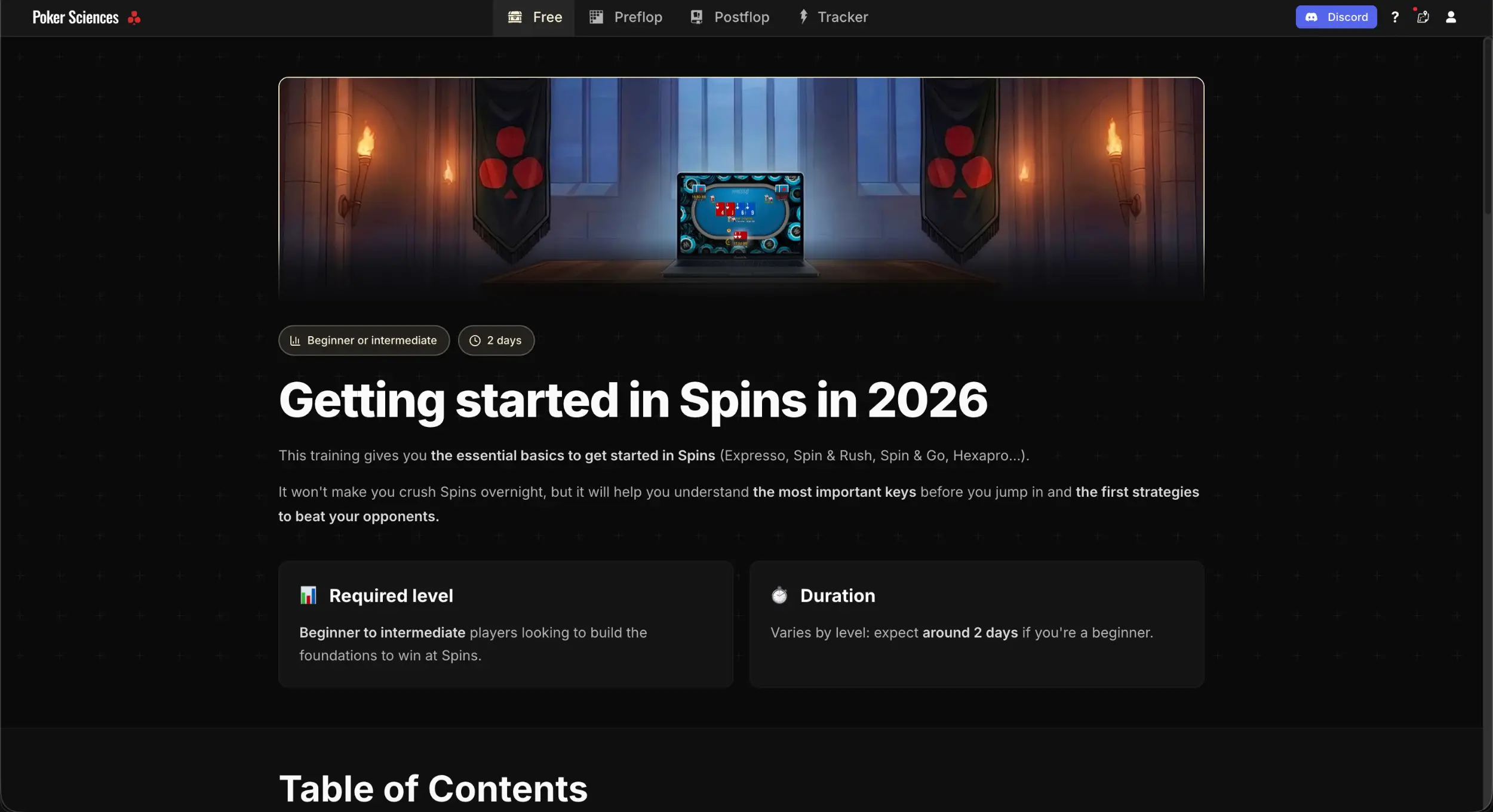
If you're only just starting out on Spins, the free training is made for you: a guided introduction to the Spin format to lay the foundations before diving into the rest of the ecosystem. It's designed for complete beginners, with no prerequisites, and stays a good place to come back to when you want to shore up the basics.
There's also a Bankroll Challenge that shows what you can earn in Spins and gives you a framework to analyze your first concrete data. It's a useful reference point to place your own progress and see what a bankroll looks like when it's just getting going.
4. The community
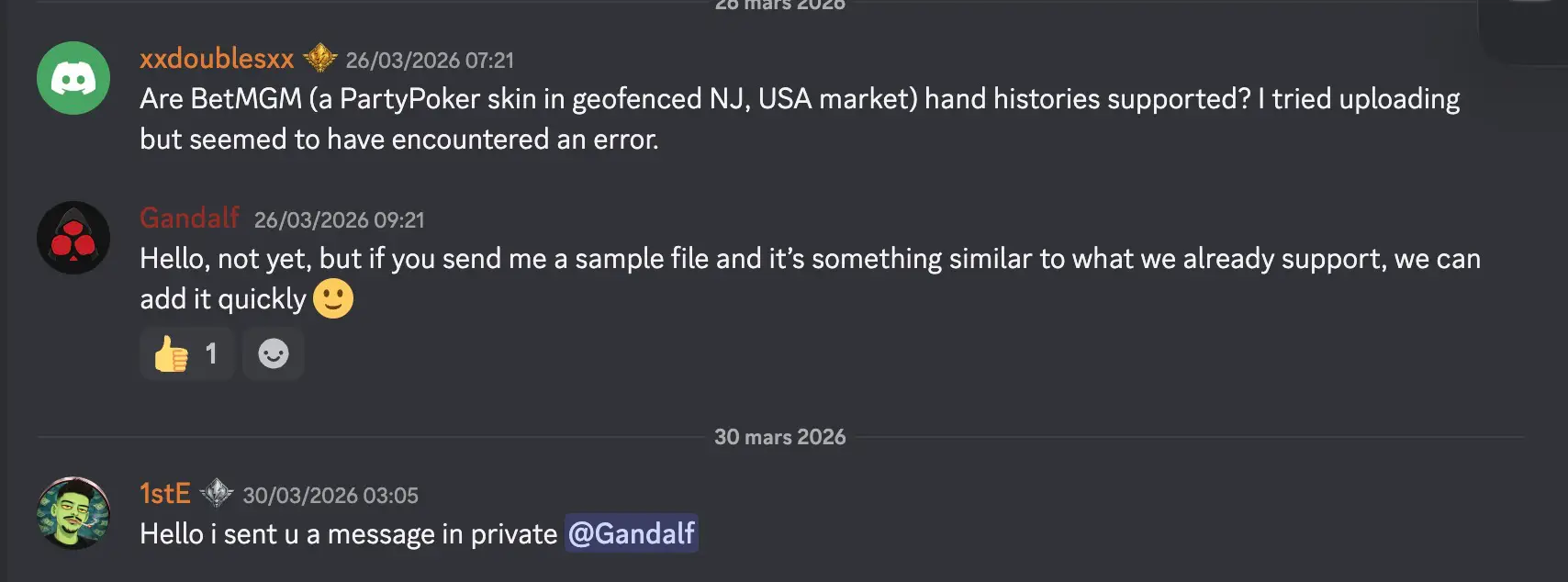
Everything happens on Discord. The Poker Sciences community grows there day after day, and you really shouldn't hesitate to drop by! Everyone is welcome, whatever your current level.
There you can ask your questions, pick up all kinds of things from other players, keep up with what is new on the platform and follow the latest in Spins.
Discord also hosts the Division roles synced with the weekly leaderboard: your Division shows up next to your username, which gives the competition a social through line.
Conclusion
With the XP Leaderboard, the Divisions, the Challenges, the improvement routine and the complementary tools, you now have the full framework to track your volume, compare yourself with other players and organize your work away from the tables.
In the next module, we'll look more closely at the notion of Fish and Reg: this way of categorizing your opponents. We'll see how it works, and just how powerful it can become when it's used well.